Analysis of the animal feed production equipment market in the DRC: towards more competitive local processing
Animal Feed Production Equipment Market Analysis in the DRC
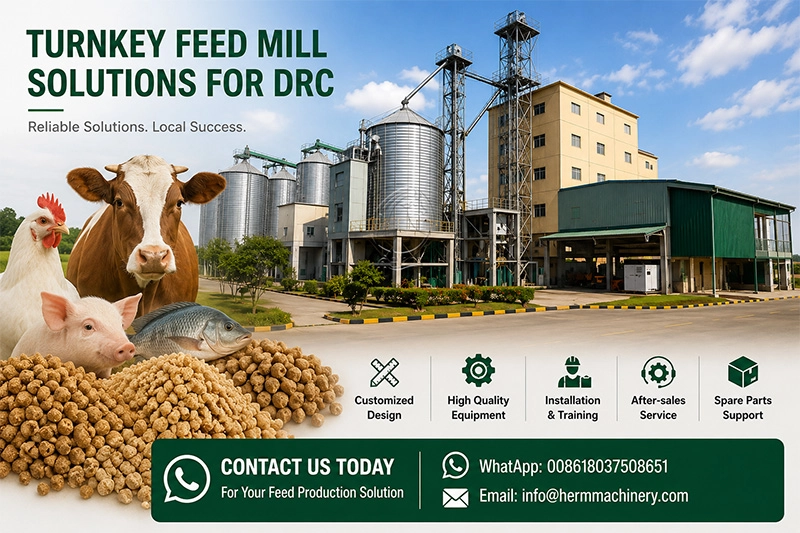
The Democratic Republic of the Congo is becoming one of the most promising markets in Central Africa for animal feed production equipment. With a large population, continuous urbanization, and growing demand for poultry meat, eggs, fish, milk, and other livestock products, the country needs a more stable, localized, and efficient feed supply chain.
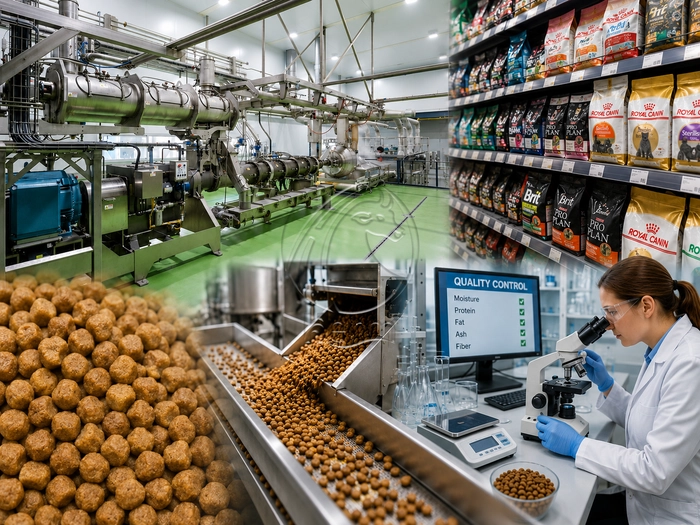
In this context, hammer mills, mixers, pellet mills, coolers, screens, dosing systems, extruders, and complete compound feed production lines can play a strategic role in the development of local livestock farming.
Demand Driven by Poultry, Aquaculture, and Livestock Farming
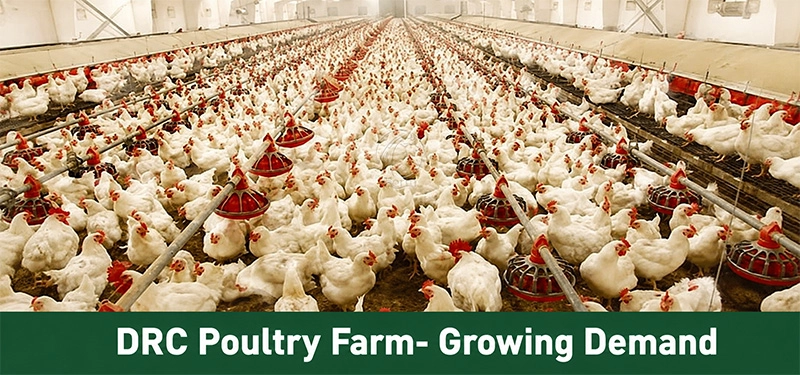
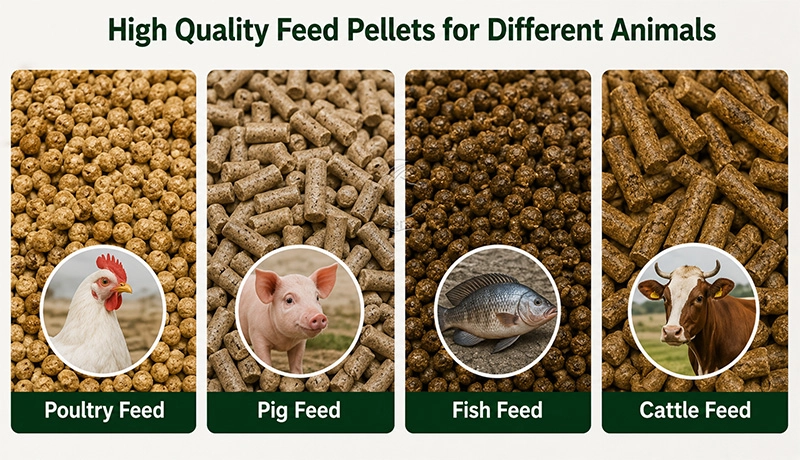
Demand in the Congolese market mainly comes from three segments. The first is commercial poultry farming, where producers require consistent feed for broilers and layers, with controlled particle size, good mixing uniformity, and stable pellet quality.
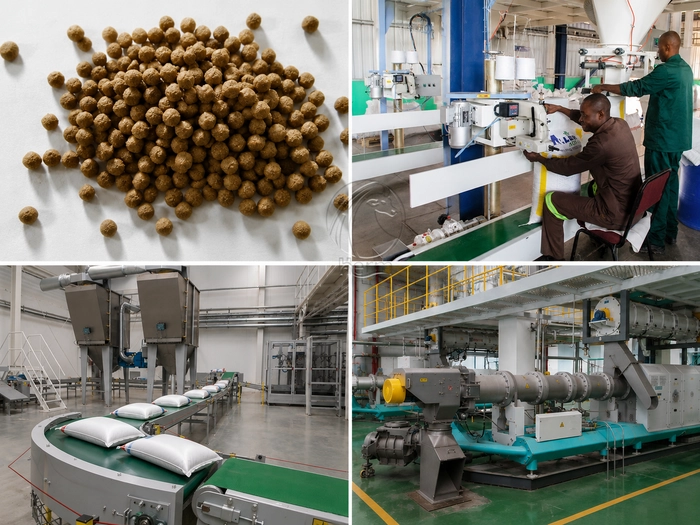
The second segment is aquaculture. The growing demand for local protein may increase interest in fish feed manufacturing equipment, especially production lines for floating and sinking fish feed.
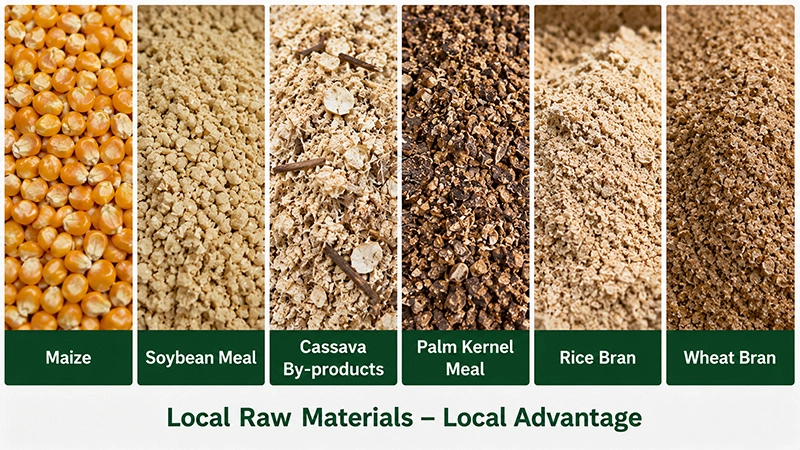
The third segment includes agricultural cooperatives, grain processors, and small regional feed plants seeking to add value to maize, cassava by-products, soybean meal, palm kernel cake, rice bran, and other locally available raw materials.
Local Raw Materials and Local Processing
The core opportunity in the Congolese market is clear: use local raw materials, produce locally, and distribute locally. Part of the livestock input supply still depends on imports, which often involve long logistics cycles and variable costs.
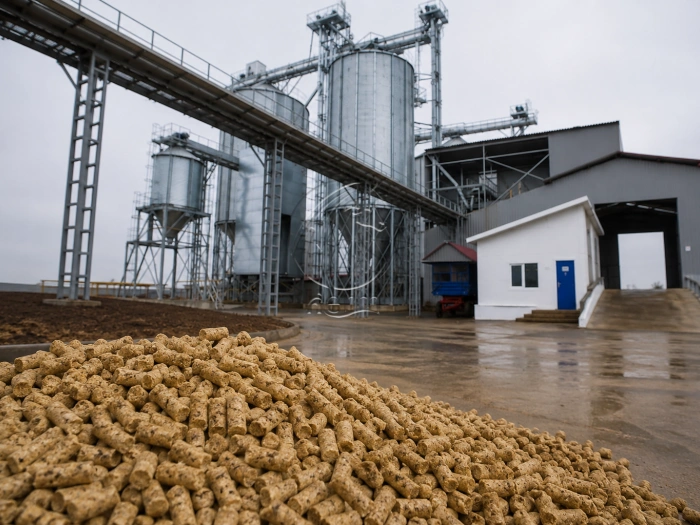
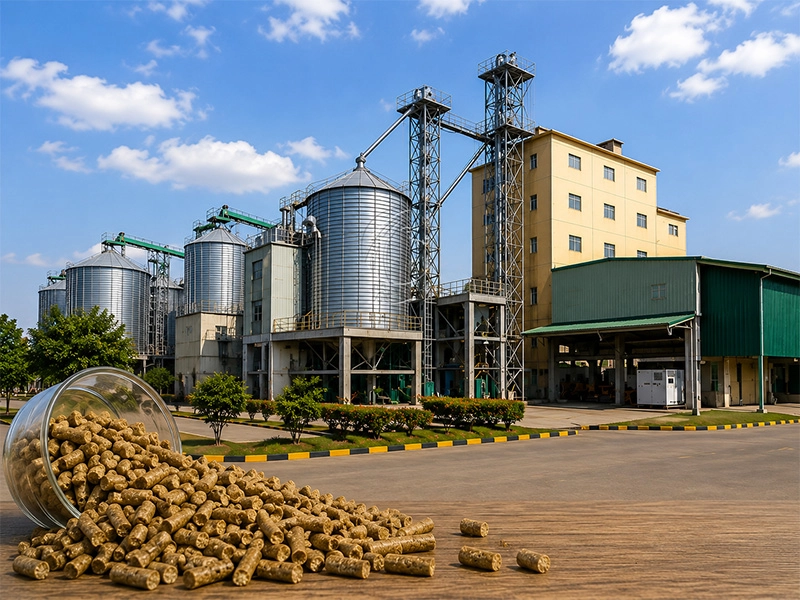
Installing feed production units in areas such as Kinshasa, Lubumbashi, Goma, Kisangani, and other agricultural or commercial hubs can shorten the supply chain, improve feed freshness, and reduce farmers’ dependence on external suppliers.
Complete Solutions Instead of Standalone Machines
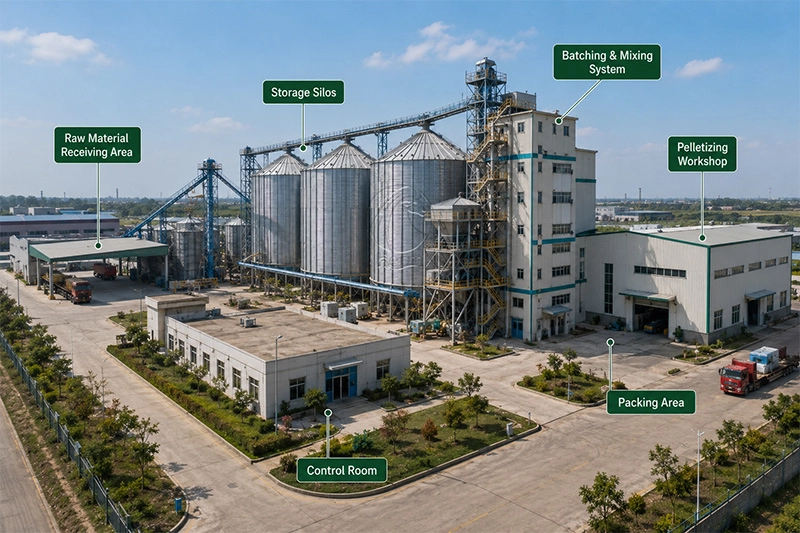
For equipment suppliers, the market potential is not limited to selling individual machines. There is increasing demand for complete solutions, including raw material cleaning, grinding, dosing, mixing, steam conditioning, pelletizing, cooling, screening, and bagging.
A well-designed feed production line must be adapted to local raw materials, operator skill levels, power supply stability, and local logistics conditions. This technical adaptability is what ultimately determines the real profitability of a project.
How to Choose the Right Equipment
Congolese buyers generally attach great importance to machine durability, energy consumption, ease of maintenance, availability of wearing parts, and after-sales service.
For new investors, a 0.5 to 2 tons per hour feed production line can be a realistic first step for producing feed for poultry, cattle, sheep, or goats. For more established regional manufacturers, 3 to 10 tons per hour lines with automatic dosing, conditioning, cooling, and bagging systems provide a stronger foundation for continuous operation.
For aquaculture, the choice between a pellet mill and an extruder depends on the target feed type: sinking feed or floating feed.
Market Challenges and Technical Requirements
The market also presents several challenges. Unstable power supply may limit continuous production, making it necessary to carefully select motors, control cabinets, backup systems, and wearing parts.
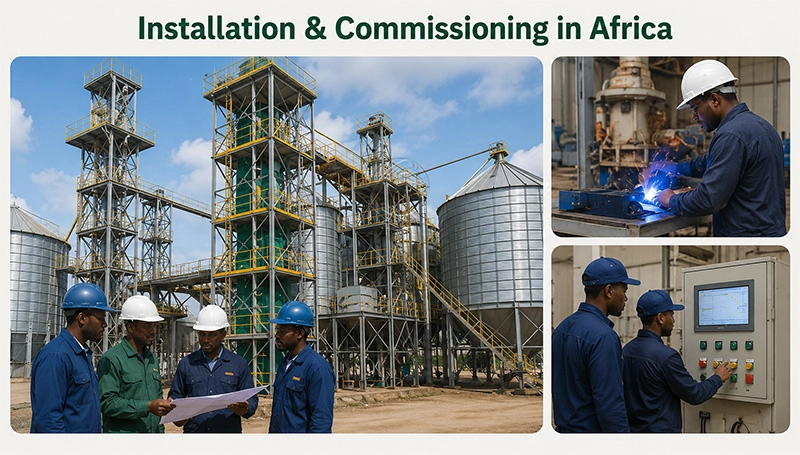
Domestic transport costs and port constraints also require modular equipment that is easy to ship in containers and simple to install on site. In addition, many customers need support in feed formulation, operation, and maintenance.
A supplier capable of providing French documentation, operational training, spare parts inventory, and regular technical support will have a clear competitive advantage.
Investment Outlook
From a return-on-investment perspective, opportunities are not limited to large feed mills. Compact, semi-automatic, and expandable lines designed for cooperatives or regional producers may better match the current stage of the market.
For importers, distributors, and investors, it is recommended to start in areas where raw materials and livestock farms are already concentrated, then gradually increase the level of automation according to sales volume.
Conclusion
The animal feed production equipment market in the DRC is still at an early stage of development, but its potential is considerable. As poultry farming, aquaculture, and livestock production become more structured, local feed manufacturing capacity will become an essential driver for reducing costs, improving productivity, and strengthening food security.
For equipment manufacturers, the decisive advantage will not lie only in machine prices, but in the ability to provide complete, reliable solutions adapted to Congolese market realities.
Contact us to get a customized animal feed production solution tailored to your capacity, raw materials, and local market.
Contact us today for a customized poultry feed solution.
Contact us today for a customized poultry feed solution.
Henan Herm Machinery Co., Ltd was established in 2010 and has been devoted to the research and development of Feed Mill Machinery ever since. With more than 10 years of experience, Herm® has become a leading manufacturer and supplier of animal feed machines and complete animal feed production lines, cattle feed plants, poultry feed plants, animal feed pellet production lines, etc. It always endeavored to improve the quality of products and aims to meet the new requirements of the international market.
If You Are Ready to start a Feed Pellet Plant Business, please get in touch with us for the feed mill machine. We Can Provide Professional Design and Comprehensive Guidance According to Your Needs. Get in touch with us now!
Welcome, Contact Us!
Henan Herm Machinery Co., Ltd
Email: info@hermmachinery.com
Phone/Whatsapp: 0086-18037508651