How to Start a Feed Mill in Algeria: Complete Investment Guide for Animal Feed Production
Algeria has become one of the most promising agricultural markets in North Africa. With a rapidly growing population and rising demand for poultry, meat, dairy, and aquaculture, the country's livestock industry is expanding steadily. This growth has created strong demand for high-quality animal feed.
For investors, farmers, and agribusiness companies, establishing a feed mill in Algeria can be a profitable opportunity. However, starting a successful feed production business requires careful planning, the right equipment, and an understanding of the local market.
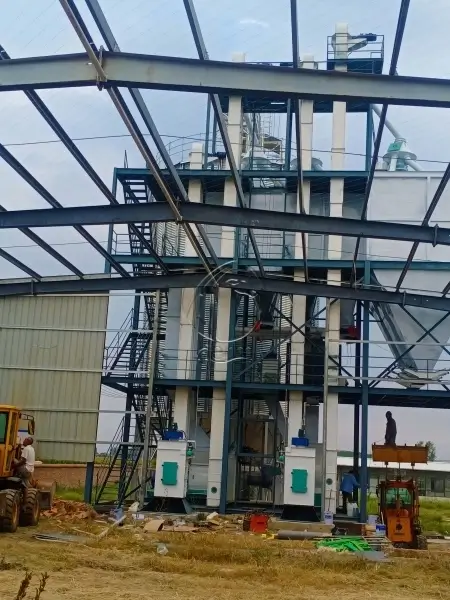
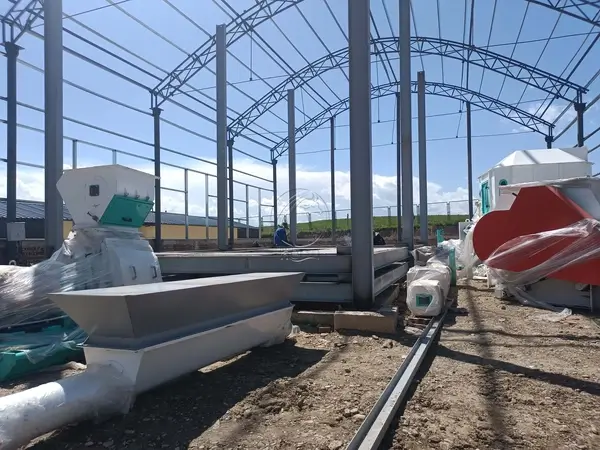
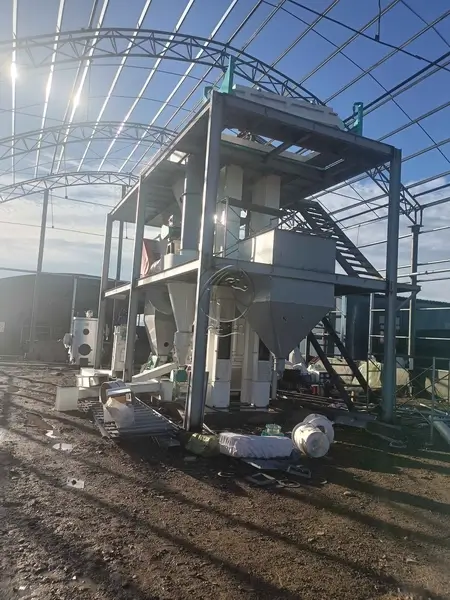
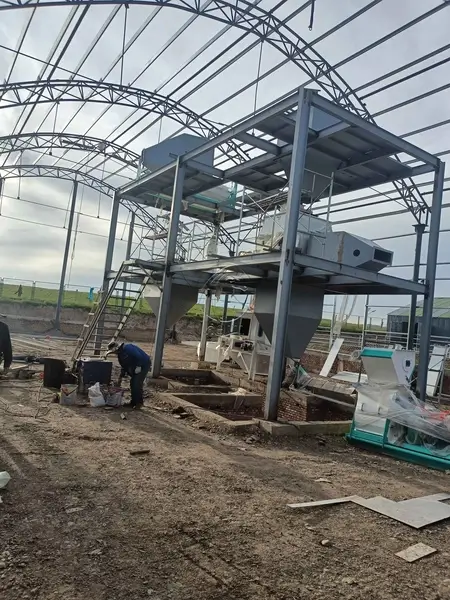
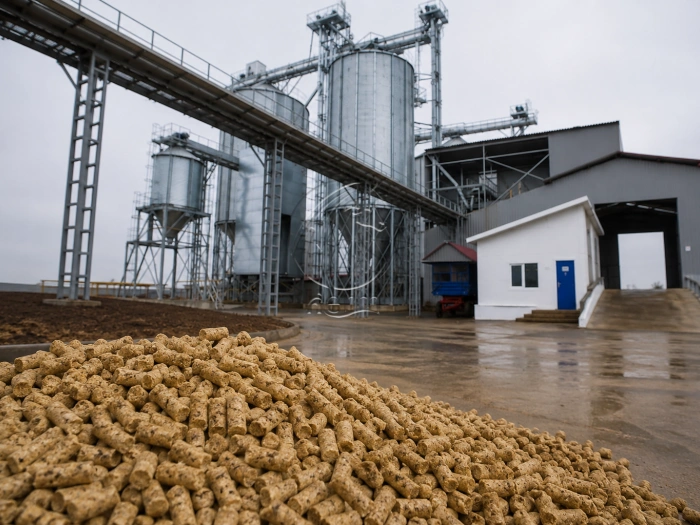
This guide explains how to start a feed mill in Algeria, including market demand, investment considerations, required equipment, and how modern feed production lines can improve efficiency and profitability.
Why Invest in Feed Production in Algeria?
The animal feed industry in Algeria is expanding rapidly for several key reasons.
Growing Livestock Industry
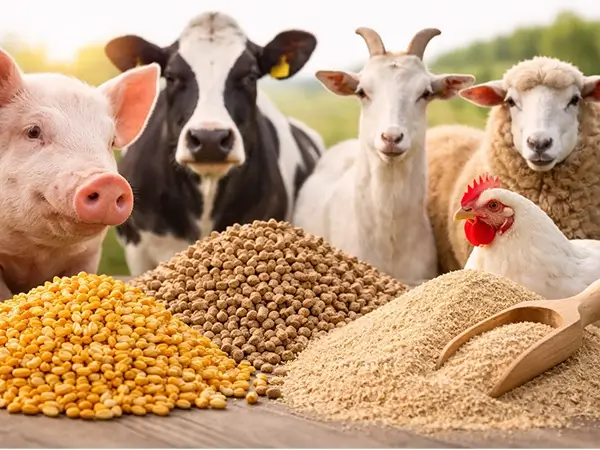
The poultry sector is the largest consumer of compound feed in Algeria. Poultry farms require large quantities of nutritionally balanced feed to maintain high productivity.
In addition, the country’s dairy cattle, sheep, and goat industries, as well as aquaculture, are expanding, further increasing feed demand.
Rising Demand for Animal Protein
As living standards improve, Algerian consumers are increasing their consumption of poultry, beef, milk, and fish. This trend directly increases the need for feed production.
Government Support for Agricultural Development
The Algerian government is promoting domestic feed production to reduce dependence on imported feed products and improve food security. This creates favorable conditions for new feed mill investments.
What Types of Feed Are in High Demand in Algeria?
Understanding the types of feed required in the market is important before starting a feed mill.
Poultry Feed
Poultry feed is the largest segment of Algeria's feed market. Broiler and layer farms require different feed formulas for different growth stages.
Cattle Feed
Dairy and beef farms require compound feed containing energy, protein, vitamins, and minerals to support animal growth and milk production.
Small ruminants are widely raised in Algeria, especially in rural areas. Balanced feed can improve weight gain and overall animal health.
Aquaculture Feed
Aquaculture is a growing industry in Algeria, and demand for fish feed is rising.
What Equipment Is Needed to Build a Feed Mill?
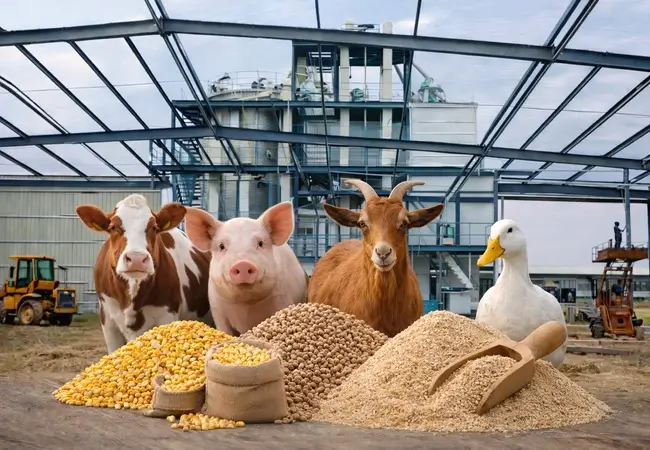
A modern feed mill requires several key pieces of equipment to process raw materials into finished feed products.
Raw Material Grinding Equipment
The first step in feed production is grinding raw materials such as corn, wheat, and soybean meal into fine powder. A hammer mill is commonly used for this process.
Efficient grinding ensures better mixing and improves pellet quality.
Feed Mixing Equipment
After grinding, the raw materials are mixed with vitamins, minerals, and additives. A feed mixer ensures uniform mixing, ensuring each batch of feed has consistent nutritional content.
Pelletizing Equipment
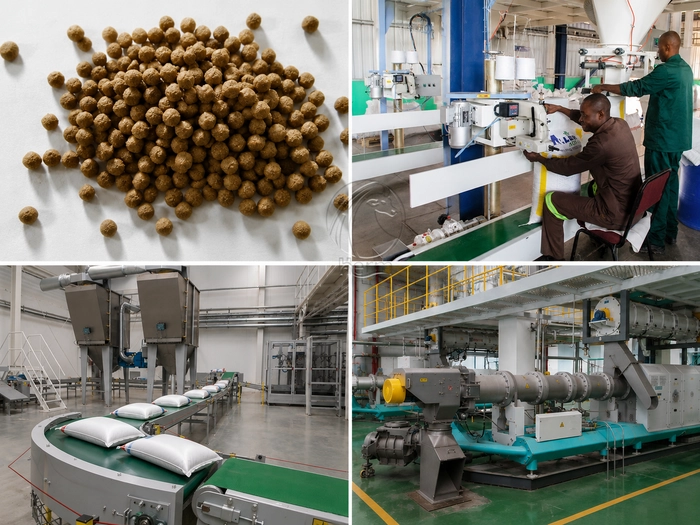
The pelletizing stage compresses mixed feed into pellets using a feed pellet mill. Pellet feed improves feed conversion rates and reduces waste during feeding.
Cooling Equipment
Freshly produced pellets are hot and moist, so they must be cooled before storage or packaging. A counterflow cooler helps stabilize pellet quality.
Packaging System
The final step is packaging the feed into bags for storage, transportation, and sale.
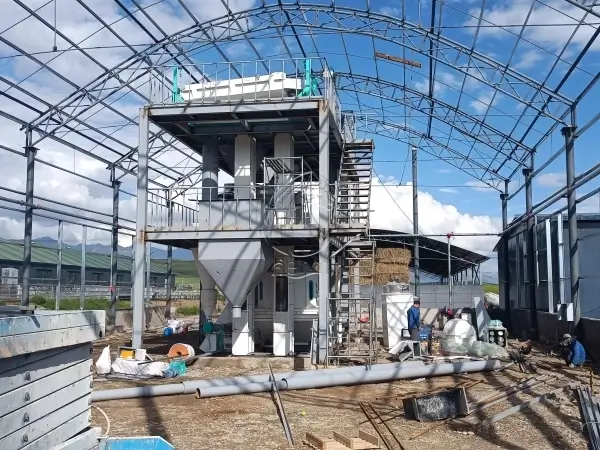
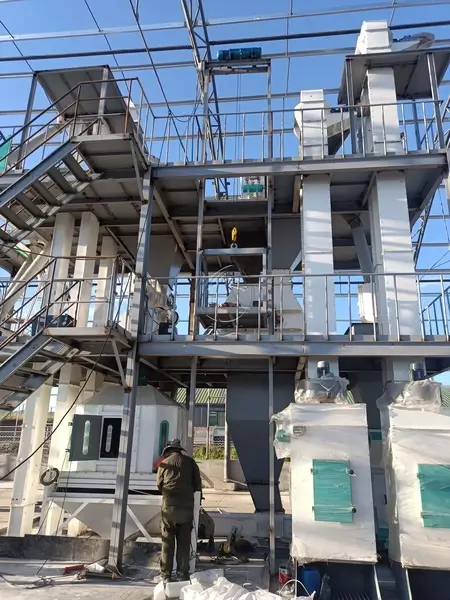
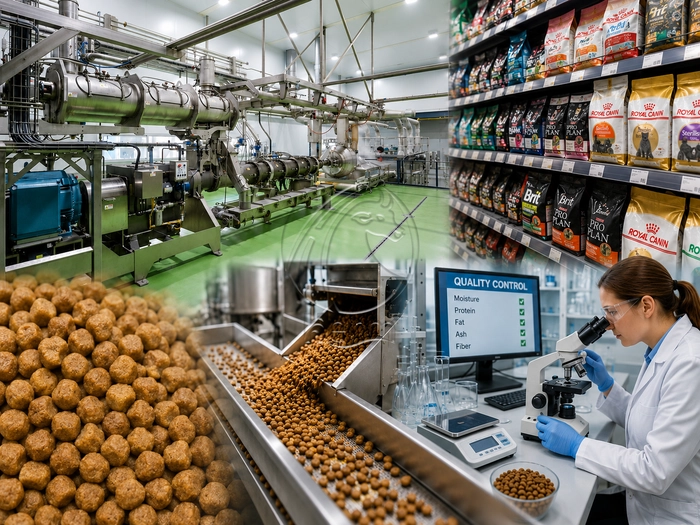
A complete feed production line integrates all these processes into an efficient system.
How Much Does It Cost to Start a Feed Mill in Algeria?
The investment cost for a feed mill depends on several factors.
Production Capacity
Feed mills can vary in capacity, such as:
① small feed mills (1–5 tons per hour)
② medium feed plants (5–15 tons per hour)
③ large feed factories (20–40 tons per hour or more)
Higher-capacity plants require larger equipment and greater investment.
Equipment Configuration
The cost also depends on the level of automation and the type of equipment used.
Modern automated feed mills may include:
① automatic batching systems
② computerized control systems
③ automated packaging machines
Plant Construction
Additional costs include:
① factory building construction
② raw material storage silos
③ electrical systems
④ installation and commissioning
Working with an experienced feed machinery supplier can help optimize the investment budget.
What Are the Key Challenges in Feed Production in Algeria?
While the feed industry offers strong opportunities, investors should also consider potential challenges.
Dependence on Imported Raw Materials
Algeria imports large quantities of corn and soybean meal for feed production. Fluctuations in global grain prices can affect feed production costs.
Logistics and Supply Chain
Efficient transportation and storage systems are important for maintaining stable feed production.
Technology and Equipment
Some existing feed mills still use outdated equipment, which reduces productivity and feed quality.
Upgrading to modern feed production technology can significantly improve efficiency and profitability.
Advantages of Modern Feed Production Lines
Modern feed production systems provide several advantages for feed manufacturers.
Higher Production Efficiency
Automated systems allow continuous production with minimal labor.
Better Feed Quality
Precision batching and mixing ensure consistent feed formulas.
Advanced pellet mills produce pellets with greater durability and a more uniform size.
These benefits help feed manufacturers remain competitive in the growing Algerian feed market.
Choosing the Right Feed Machinery Supplier
Selecting a reliable feed machinery supplier is essential when building a feed mill.
A professional supplier should provide:
① feed plant design and engineering
② high-quality feed machinery
③ installation and commissioning services
④ operator training
⑤ long-term technical support
Working with experienced manufacturers helps ensure that the feed production plant operates efficiently and reliably.
Start Your Feed Mill Project Today
With the rapid growth of Algeria’s livestock industry, the demand for high-quality animal feed will continue to increase in the coming years. Investors entering the feed production sector can benefit from the expanding market.
Henan Herm Machinery specializes in providing comprehensive feed mill solutions for customers worldwide.
Our services include:
① feed production line design
② feed pellet plant solutions (1–40 T/H capacity)
③ feed processing machinery manufacturing
④ installation and commissioning
⑤ technical training and after-sales support
Our engineering team can help you build a modern, efficient, and profitable feed production plant tailored to your project requirements.
Contact us today to receive a customized feed mill solution and project quotation.
Henan Herm Machinery Co., Ltd was established in 2010 and has been devoted to the research and development of Feed Mill Machinery ever since. With more than 10 years of experience, Herm® has become a leading manufacturer and supplier of animal feed machines and complete animal feed production lines, cattle feed plants, poultry feed plants, animal feed pellet production lines, etc. It always endeavored to improve the quality of products and aims to meet the new requirements of the international market.
If You Are Ready to Start a Feed Pellet Plant Business, please contact us for the feed mill machine. We Can Provide Professional Design and Comprehensive Guidance According to Your Needs. Get in touch with us now!