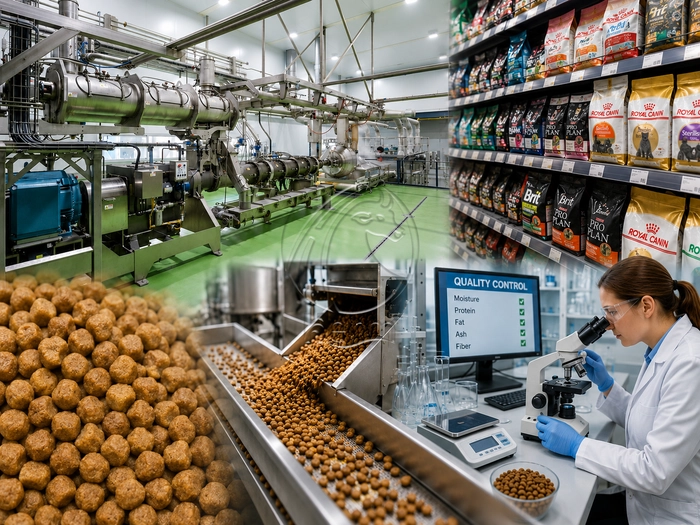
Current Trends and Challenges in Feed Production in Nigeria
Market Opportunities, Industry Challenges, and Solutions for Modern Feed Mills
Nigeria is one of Africa's largest livestock and poultry markets, driving strong demand for high-quality animal feed. With a rapidly growing population, increasing protein consumption, and expanding livestock production, the feed industry is becoming a critical component of the agricultural value chain.
However, feed producers and livestock farmers are also facing several challenges, including raw material shortages, rising production costs, and supply chain instability. Understanding these trends is essential for feed mill investors, equipment buyers, and agribusiness companies planning to enter or expand in the Nigerian market.
This article explores the current trends, major challenges, and potential solutions in Nigeria’s feed production sector, helping industry stakeholders make informed decisions.
1️⃣Overviewof the Feed Industry in Nigeria
Nigeria has one of the fastest-growing livestock sectors in Africa, driven primarily by poultry farming, aquaculture, and ruminant production. The demand for animal protein continues to increase as the population grows and urbanization expands.
According to industry estimates, Nigeria’s animal feed market reached about 15.18 million tons in 2024 and is projected to grow to nearly 17.82 million tons by 2034, reflecting steady long-term demand for feed production.
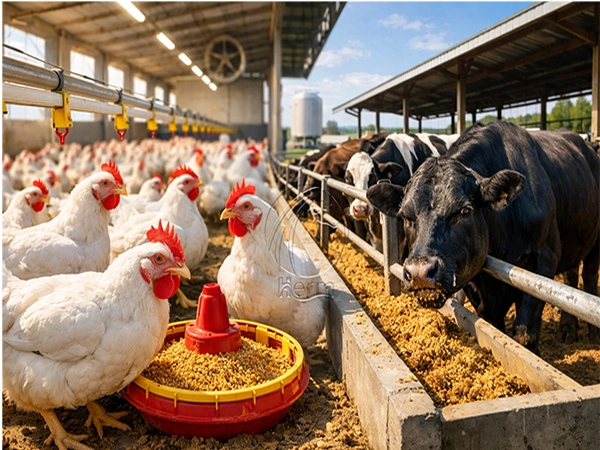
Poultry production dominates the feed industry, accounting for the majority of commercial feed consumption.
Key industry characteristics include:
Poultry feed represents around 80% of total commercial feed production.
Aquaculture feed accounts for a smaller but rapidly growing segment.
Demand for ruminant and pig feed is also increasing as livestock production modernizes.
Despite strong demand, Nigeria still relies heavily on imported feed products and raw materials due to limited local production capacity.
2️⃣Major Trends Shaping Feed Production in Nigeria
Nigeria’s poultry industry is one of the most organized and commercially developed agricultural sectors in the country, generating billions of dollars annually.
With increasing consumption of eggs and poultry meat, feed demand continues to expand. At the same time, the aquaculture sector is growing rapidly, increasing the need for high-quality floating fish feed.
Key drivers of feed demand include:
Population growth
Rising demand for animal protein
Expansion of poultry farming
Growth of aquaculture and livestock farming
These factors are encouraging new investments in feed mills, feed equipment, and integrated livestock production systems.
Increasing Modernization of Feed Mills
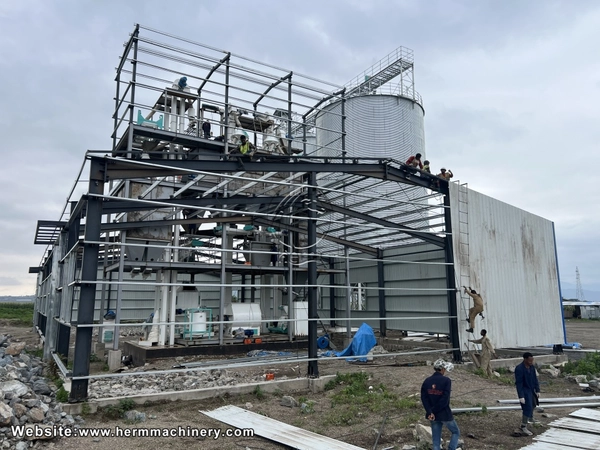
Another trend is the gradual modernization of feed production facilities.
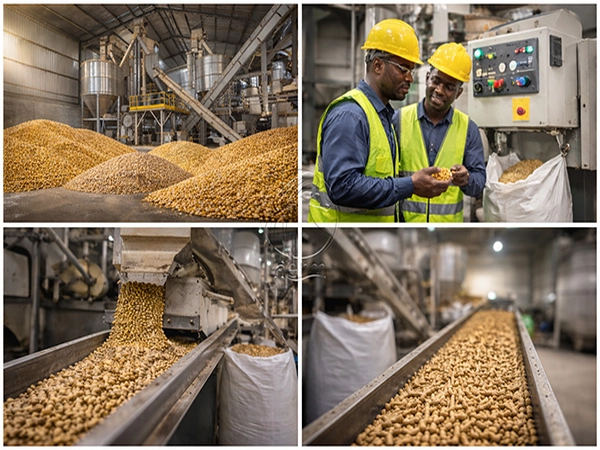
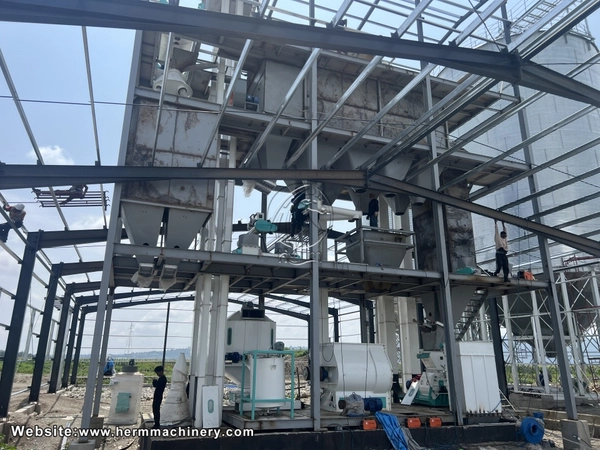
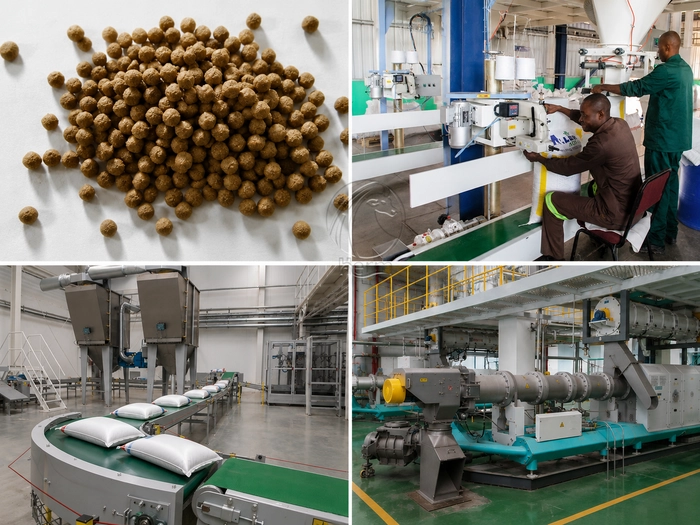
Traditionalsmall-scale feed mixing is being replaced by industrial feed mills with automated equipment, such as:
Hammer mills for grain grinding
High-efficiency feed mixers
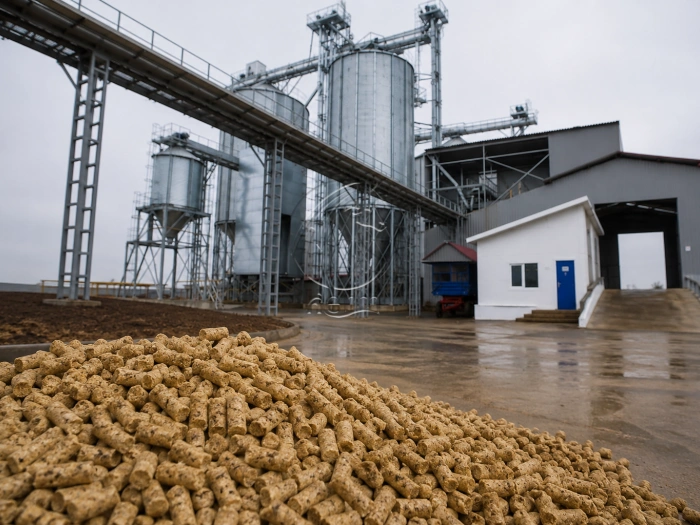
Pellet mills for poultry and livestock feed
Automatic bagging and packaging systems
Modern feed mills improve production efficiency, reduce feed waste, and ensure consistent feed quality.
Growing Investment in the Livestock Value Chain
The Nigerian government and private investors are increasingly supporting the livestock sector to improve food security and reduce imports.
Recent agricultural initiatives focus on:
Expanding commercial livestock farms
Improving feed production capacity
Developing ranching and dairy farming systems
These investments are expected to increase demand for complete feed production lines and modern feed processing technologies.
3️⃣ Key Challenges Facing Feed Production in Nigeria
Although the feed industry shows strong growth potential, several challenges continue to affect feed producers and livestock farmers.
Rising Cost of Feed Ingredients
One of the biggest challenges in Nigeria’s feed industry is the rising cost of raw materials such as maize and soybeans.
Feed production in the country has declined from about 4.5 million metric tons to around 3.8 million tons, largely due to the high cost of maize used in feed formulations.
Maize alone represents a large portion of poultry feed formulations, making feed prices highly sensitive to grain market fluctuations.
Higher feed costs have significant impacts:
Increased production costs for farmers
Reduced profit margins for poultry producers
Lower feed consumption in some livestock sectors
Feed Price Inflation and Farmer Profitability
Feed prices have increased sharply in recent years.
For example, the cost of poultry feed has risen significantly, placing financial pressure on poultry farmers and reducing profitability.
In many cases, farmers cannot increase the selling price of poultry products to match rising feed costs, which creates financial strain across the industry.
Dependence on Imported Feed and Raw Materials
Nigeria imports a large amount of animal feed and feed ingredients due to limited domestic production capacity.
Feed imports are expected to reach millions of tons annually as local production struggles to meet demand.
This dependence on imports makes the industry vulnerable to:
Exchange rate fluctuations
Global commodity price changes
Supply chain disruptions
Agricultural and Climate Challenges
Agriculture in Nigeria also faces structural challenges such as:
Climate variability and drought
Water shortages in some regions
Limited agricultural infrastructure
These factors affect crop production, including maize and soybean yields, which are critical ingredients for feed manufacturing.
Food production challenges in the country have also contributed to rising food insecurity and higher agricultural prices.
4️⃣Opportunities for Feed Producers and Investors
Despite the challenges, Nigeria’s feed industry still offers significant opportunities for feed manufacturers and equipment suppliers.
Expansion of Local Feed Production
The growing gap between feed demand and supply creates opportunities for new feed mills.
Investments in modern feed production plants can help increase local feed supply and reduce dependence on imports.
Typical feed mill investment projects include:
Poultry feed production lines
Fish feed production plants
Livestock and ruminant feed factories
Premix and concentrate feed plants
Adoption of Modern Feed Processing Technology
Efficient feed production equipment can significantly improve feed quality and production capacity.
Modern feed processing systems typically include:
Grain cleaning and storage systems
Hammer mills for fine grinding
High-efficiency feed mixers
Pellet mills for poultry feed
Cooling and screening equipment
Automatic packing systems
These technologies help feed mills achieve:
Higher productivity
Consistent feed quality
Lower production costs
Development of Integrated Livestock Production
Integrated agricultural models combining feed production, livestock farming, and processing are becoming increasingly popular.
This model allows producers to:
Control feed costs
Ensure stable feed supply
Improve overall farm efficiency
5️⃣ How Modern Feed Mills Can Improve Industry Efficiency
To meet growing feed demand and overcome industry challenges, modern feed mills should focus on:
1. Efficient Raw Material Processing
Advanced grinding and mixing equipment improve feed uniformity and digestibility.
2. Automated Feed Production Lines
Automation reduces labor costs and increases production efficiency.
3. Improved Feed Formulation Technology
Precision formulation improves animal performance and reduces feed waste.
4. Reliable Feed Storage Systems
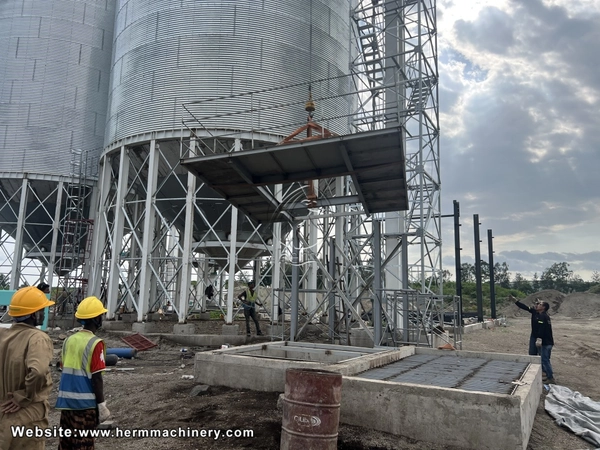
Modern silos and grain storage systems help protect raw materials and ensure a year-round supply.
Conclusion
Nigeria’s feed production industry is undergoing a period of transformation. Rapid population growth, increasing demand for animal protein, and expanding livestock production are driving strong demand for animal feed.
However, the sector also faces several challenges, including rising feed ingredient prices, limited local production capacity, and supply chain constraints.
For feed mill investors and equipment suppliers, these challenges also create opportunities. By investing in modern feed processing equipment, efficient production lines, and advanced feed technologies, the industry can significantly increase productivity and support the sustainable growth of Nigeria’s livestock sector.
As Nigeria modernizes its agricultural sector, demand for high-quality feed production solutions and advanced feed mill technologies will continue to grow in the coming years.
Henan Herm Machinery Co., Ltd was established in 2010 and has been devoted to the research and development of Feed Mill Machinery ever since. With more than 10 years of experience, Herm® has become a leading manufacturer and supplier of animal feed machines and complete animal feed production lines, cattle feed plants, poultry feed plants, animal feed pellet production lines, etc. It always endeavored to improve the quality of products and aims to meet the new requirements of the international market.
If You Are Ready to Start a Feed Pellet Plant Business, please contact us for the feed mill machine. We Can Provide Professional Design and Comprehensive Guidance According to Your Needs. Get in touch with us now!