Feed Demand, Raw Material Imports, and Investment Opportunities
Introduction: Why Is Algeria Becoming an Important Feed Market?
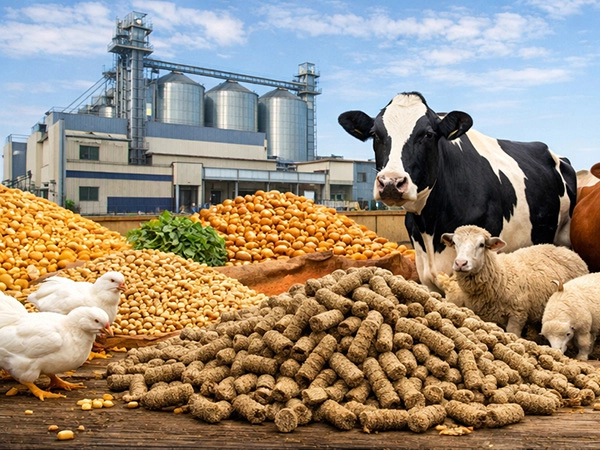
Algeria is rapidly emerging as one of the most promising feed markets in North Africa. With a population of more than 45 million and steadily increasing demand for meat, milk, and eggs, the country's livestock industry is expanding quickly.
To support this growth, the animal feed industry is undergoing a significant transformation. Feed producers are gradually shifting from traditional feed production methods toward modern feed mills equipped with advanced processing technology.
As a result, demand for efficient feed machinery, automated feed production lines, and turnkey feed mill solutions continues to grow across the country.
Livestock Industry in Algeria
What Are the Main Livestock Sectors in Algeria?
Algeria's livestock sector consists of several key industries that drive demand for feed production.
The major sectors include:
• Poultry farming • Dairy cattle production • Beef cattle production • Sheep and goat farming
Among these industries, poultry production plays the most important role in feed consumption.
Why Does the Poultry Industry Drive Feed Demand?
Poultry farming is the fastest-growing livestock sector in Algeria because chicken meat and eggs are affordable protein sources for the population.
The poultry industry requires large volumes of compound feed, such as:
• Broiler feed • Layer feed • Chick starter feed
Because poultry production cycles are short and intensive, farms depend heavily on reliable feed supply from commercial feed mills.
This makes poultry feed production one of the largest drivers of feed manufacturing capacity in the country.
Feed Demand Growth in Algeria
How Much Feed Is Consumed in Algeria?
Animal feed demand in Algeria continues to increase each year as livestock farming expands.
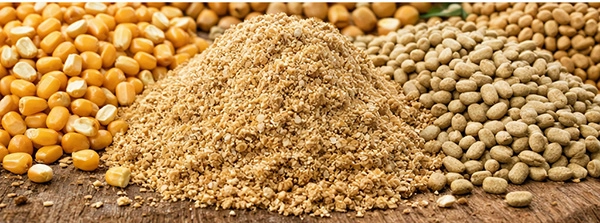
The poultry sector alone consumes several million tons of feed annually. Most of this feed is produced from energy and protein ingredients such as corn and soybean meal.
In addition to poultry feed, the dairy and beef sectors also require significant volumes of cattle feed, including concentrate feed and mixed rations.
However, the country's current feed production capacity still struggles to fully meet the growing demand from livestock producers.
Raw Material Supply Structure
Where Do Feed Raw Materials Come From?
One of the defining characteristics of the Algerian feed industry is its strong dependence on imported raw materials.
Key feed ingredients used by feed mills include:
• Corn • Soybean meal • Barley • Wheat
These grains are the main components used in poultry feed, cattle feed, and other compound feed formulations.
Why Are Corn Imports So Important?
Corn is the primary energy source in most animal feed formulas.
Algeria imports approximately 4–5 million tonnes of corn every year, making it one of the largest grain importers in North Africa.
Because domestic grain production is limited due to climate conditions and water shortages, feed mills must rely heavily on imported feed ingredients to maintain production.
Major Challenges Facing the Feed Industry
Although the market is growing, the Algerian feed industry still faces several structural challenges.
1. Heavy Dependence on Imported Raw Materials
Since most feed ingredients are imported, the industry is vulnerable to:
This dependence increases production costs for feed manufacturers.
2. Outdated Feed Mill Technology
Many small and medium feed plants still operate with older equipment that has:
• lower production efficiency • higher energy consumption • inconsistent feed quality
Modernizing these plants can significantly improve productivity and reduce operating costs.
3. Climate and Agricultural Limitations
Algeria's arid climate and periodic droughts limit local crop production and reduce natural grazing resources.
As grazing land becomes less productive, livestock farmers increasingly rely on commercial feed to maintain animal productivity.
Investment Opportunities in the Algerian Feed Industry
Why Is Algeria Attractive for Feed Mill Investment?
Despite the challenges, Algeria offers strong investment potential for feed production infrastructure.
Several factors support long-term growth:
• rising demand for animal protein • expanding poultry and dairy sectors • government focus on food security • growing need for modern feed manufacturing facilities
These factors create opportunities for both investors and feed machinery suppliers.
What Are the Main Investment Opportunities?
1. New Feed Mill Construction
As livestock production expands, new feed manufacturing capacity is required to supply farmers with high-quality feed.
Investors are increasingly interested in building medium and large-scale feed mills capable of producing:
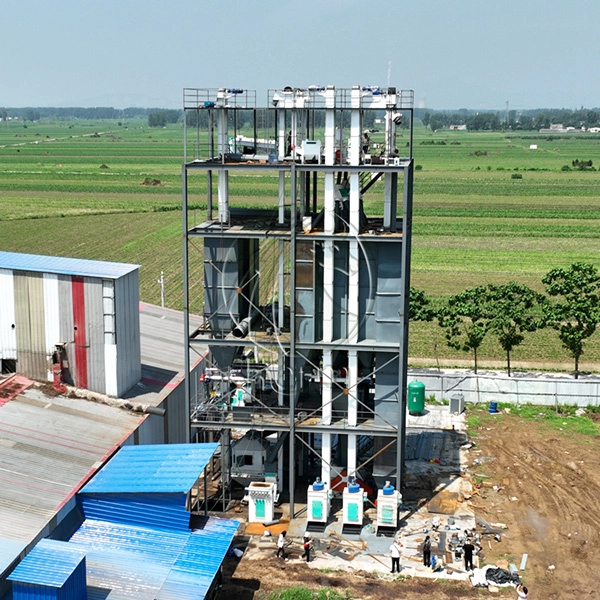
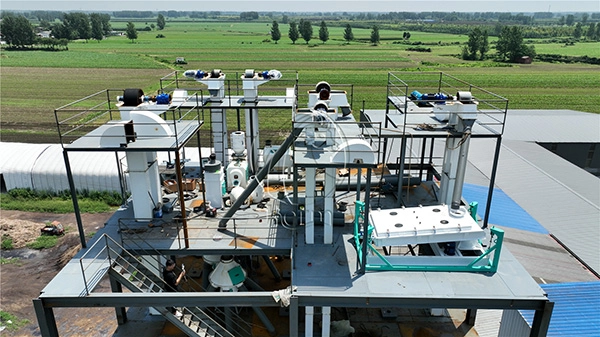
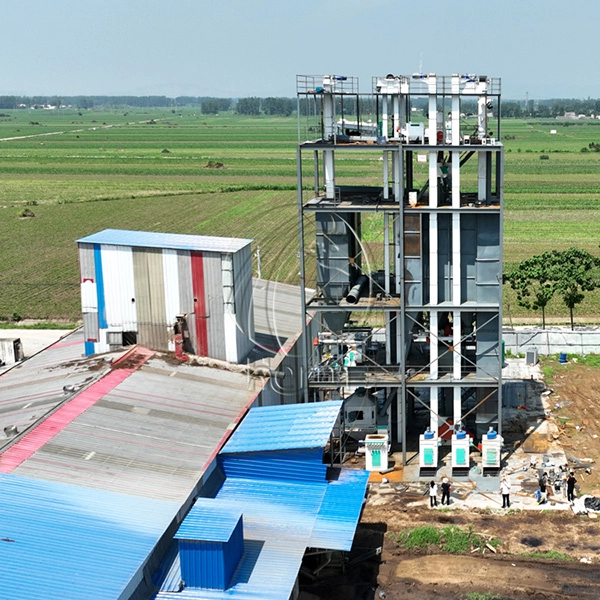
Many investors prefer turnkey feed mill solutions, where a single supplier provides the entire project.
A complete turnkey feed plant project usually includes:
• feed factory layout planning • equipment manufacturing • feed production line installation • electrical control systems • commissioning and staff training
Turnkey projects reduce technical risks and help investors launch feed production faster.
For international investors, working with experienced feed machinery manufacturers is particularly important to ensure stable plant operation.
Future Outlook of the Algerian Feed Industry
What Will the Future Feed Market Look Like?
The Algerian feed industry is expected to continue expanding in the coming years as the country works to strengthen food security and increase domestic livestock production.
Several key trends will shape the market:
• increasing demand for compound feed • development of large-scale livestock farms • adoption of automated feed mill technology • expansion of modern feed processing plants
Feed mills equipped with advanced automation systems will play a crucial role in improving productivity, feed quality, and supply stability.
Conclusion: A Growing Market for Feed Machinery and Feed Plants
Algeria's feed mill market presents strong opportunities for investors, feed producers, and feed machinery suppliers.
With rising livestock production, increasing feed demand, and the need for modern feed manufacturing technology, the country is becoming an important market for feed processing equipment and turnkey feed plant solutions.
Companies that provide reliable feed machinery, efficient feed production lines, and complete feed mill project services will be well-positioned to benefit from Algeria's rapidly growing livestock industry.
FAQ – Algeria Feed Industry
1. Is the feed industry growing in Algeria?
Yes. Algeria's feed industry has been growing steadily in recent years due to the expansion of poultry farming, dairy production, and livestock breeding. As demand for meat, eggs, and milk increases, farmers rely more on high-quality compound feed, creating strong growth opportunities for feed mills and feed machinery suppliers.
2. What are the main raw materials used in animal feed in Algeria?
The most common feed ingredients used in Algeria include:
• Corn • Soybean meal • Barley • Wheat • Vitamin and mineral premixes
Corn is the primary energy source in poultry feed, while soybean meal provides the protein necessary for animal growth and productivity.
3. Does Algeria import feed raw materials?
Yes. Algeria imports a large portion of its feed ingredients due to limited domestic grain production. Corn imports alone reach approximately 4–5 million tonnes per year, making Algeria one of the largest grain importers in North Africa.
These imports are essential to support the country's growing feed production and livestock industries.
4. What is the typical capacity of a feed mill in Algeria?
Feed mills in Algeria vary in size depending on the scale of livestock production. Common feed mill capacities include:
• Small feed plants: 1–5 tons per hour • Medium feed plants: 5–15 tons per hour • Large feed mills: 15–40 tons per hour
Many investors prefer 5–10 T/H feed production lines, which provide a good balance between investment cost and production capacity.
5. What equipment is required for a feed production line?
A complete animal feed production line typically includes:
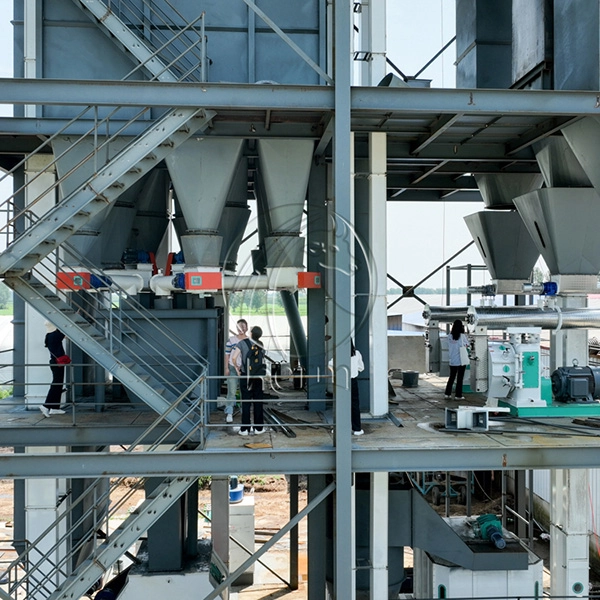
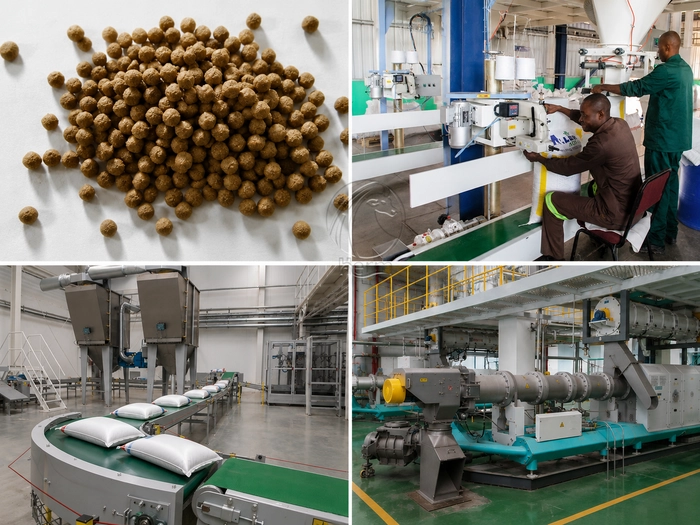
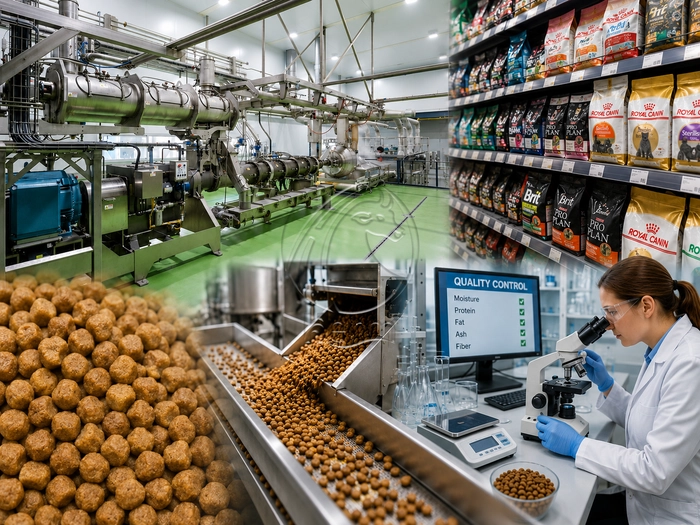
• hammer mill (for grinding raw materials) • feed mixer (for uniform mixing) • feed pellet machine (for pellet production) • cooler and screener • automatic packaging system
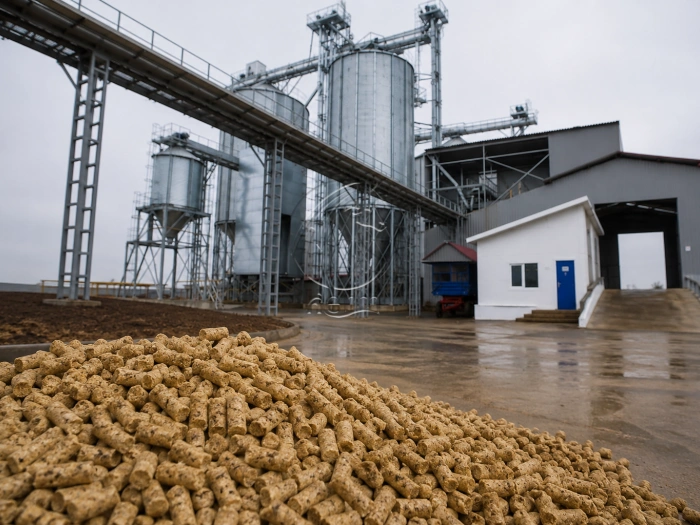
These machines work together to produce high-quality feed pellets for poultry, cattle, and other livestock.
Feed Mill Project Consultation
If you are planning to build a feed mill or expand your animal feed production in Algeria, choosing the right equipment and plant design is essential for long-term success.
At Henan Herm Machinery Co., Ltd, we specialize in providing complete feed mill solutions, including:
• feed factory design and layout planning • feed machinery manufacturing • complete feed production lines • installation and commissioning • technical training and after-sales support
Our engineering team can help you design efficient and cost-effective feed plants tailored to your production needs.
Contact us today to receive a customized feed mill solution and project quotation.
Henan Herm Machinery Co., Ltd was established in 2010 and has been devoted to the research and development of Feed Mill Machinery ever since. With more than 10 years of experience, Herm® has become a leading manufacturer and supplier of animal feed machines and complete animal feed production lines, cattle feed plants, poultry feed plants, animal feed pellet production lines, etc. It always endeavored to improve the quality of products and aims to meet the new requirements of the international market.
If You Are Ready to start a Feed Pellet Plant Business, please contact us for the feed mill machine. We Can Provide Professional Design and Comprehensive Guidance According to Your Needs. Get in touch with us now!