Key Questions to Consider Before Building a Feed Mill A Professional Guide
Building an efficient and stable feed mill is a complex process involving market analysis, plant design, equipment selection, production line planning, raw material management, and operational management. This guide provides a professional Q&A overview of the critical considerations before constructing a feed mill.
1️⃣ Market Research and Investment Planning
Q: What market and investment factors should be analyzed before building a feed mill? A: Before starting construction, determine the feed product types—such as pig feed, poultry feed, aqua feed, or pet feed—and analyze demand volumes. Evaluate market competition, raw material availability, relevant regulations, and environmental compliance requirements. A detailed investment budget should include plant construction, equipment procurement, logistics, and labor costs.
2️⃣ Plant Location and Facility Design
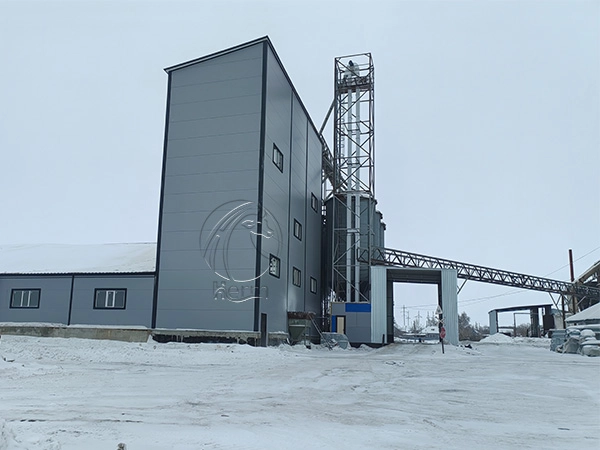
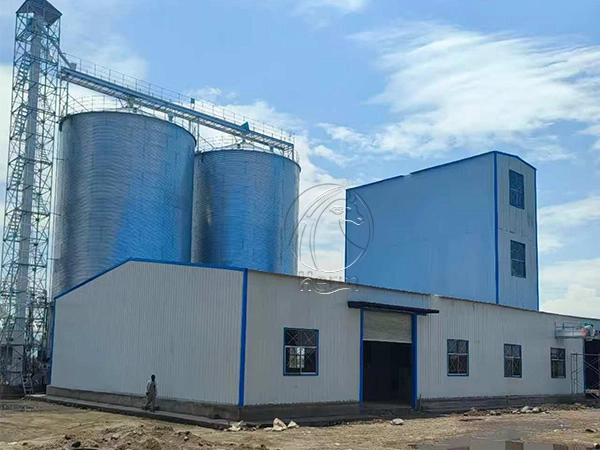
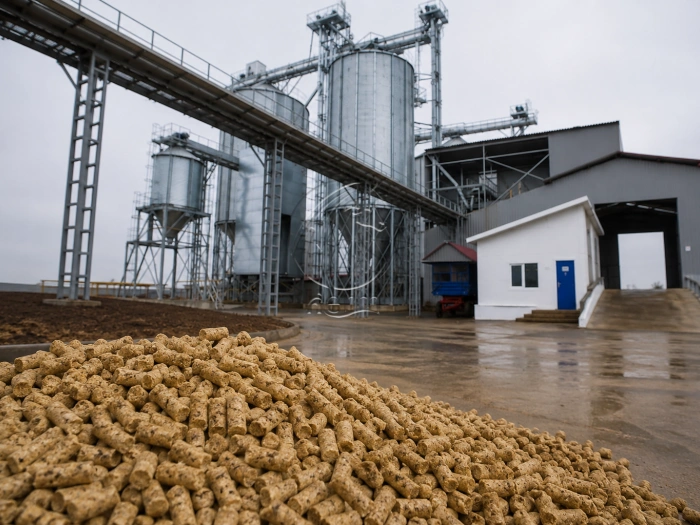
Q: What should be considered when selecting a location and designing a feed mill facility? A: The plant location should optimize raw material supply and logistics efficiency. Facility layout should clearly separate raw material storage, production areas, and finished product warehouses. Dust control, noise reduction, and wastewater management are key environmental considerations. Facility size should match the designed production capacity and allow room for future expansion.
3️⃣ Equipment Selection and Production Line Design
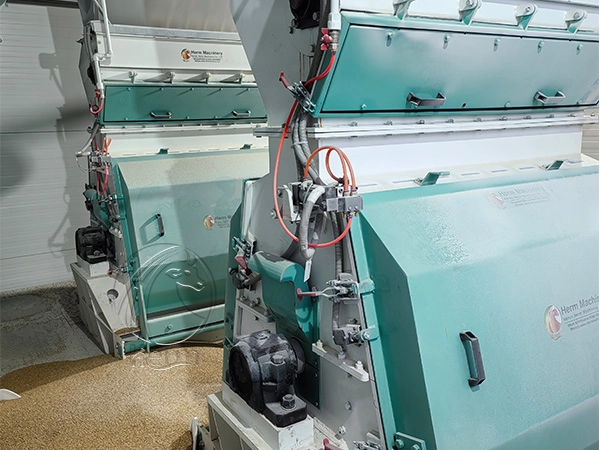
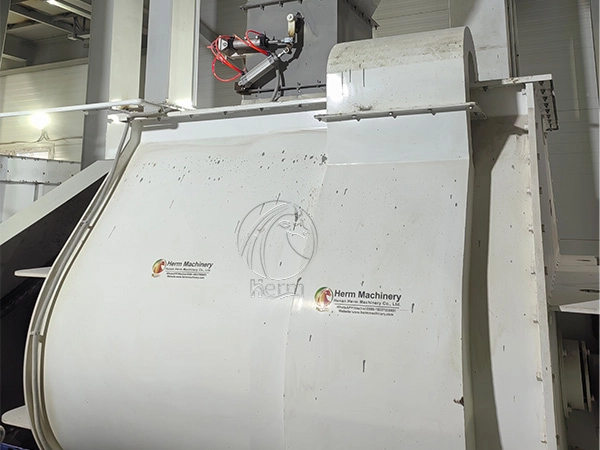
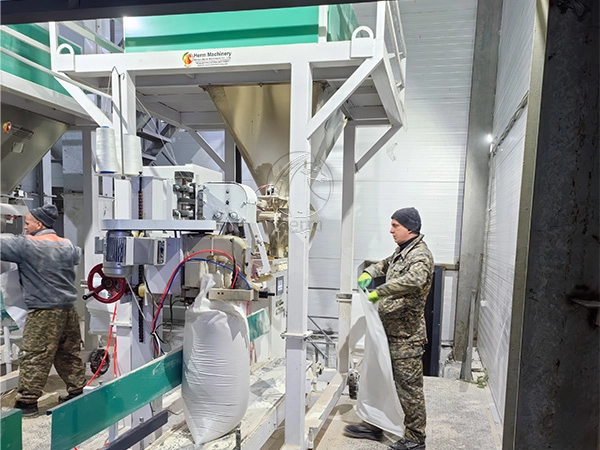
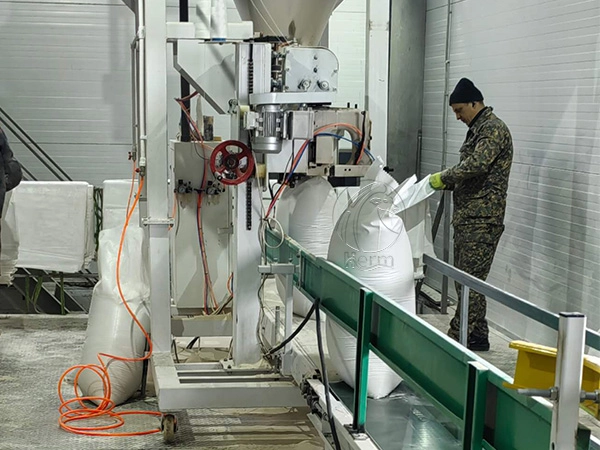
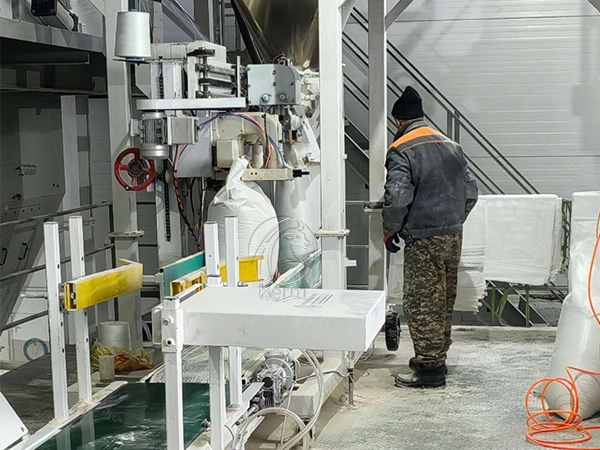
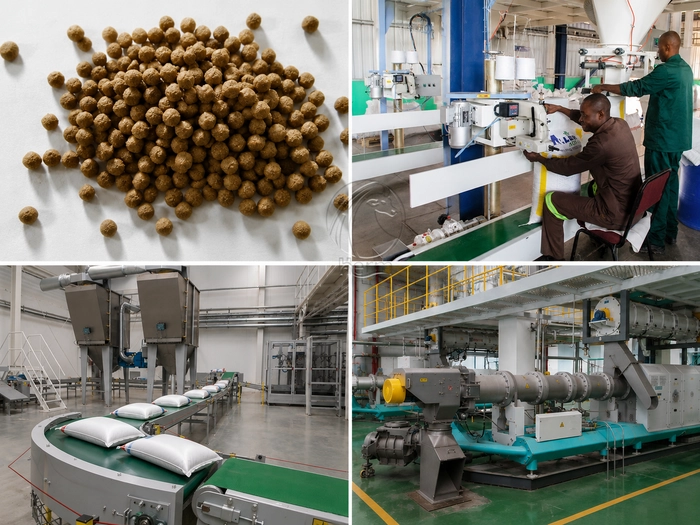
Q: How should feed production equipment be selected? A: Select equipment based on target production capacity, including pellet mills, hammer mills, mixers, conveyors, and packaging machines. The automation level should match production scale, improving stability and reducing labor costs. Production line design (grinding → mixing → pelleting → cooling → packaging) should optimize efficiency and ensure consistent product quality.
4️⃣ Raw Material Supply and Storage Management
Q: How can raw material supply and storage be managed effectively? A: Ensure stable raw material sources and analyze price fluctuation risks. Storage facilities should provide moisture control, pest prevention, and proper temperature management to maintain quality. Raw material supply chains should optimize procurement efficiency and logistics costs.
5️⃣ Cost Control and ROI Assessment
Q: How can the investment and operational costs of a feed mill be evaluated? A: Calculate equipment purchase, transportation, and installation costs, along with operational expenses including raw materials, electricity, labor, maintenance, and logistics. Combine production costs with expected feed pricing to predict profit margins and estimate the return on investment (ROI).
6️⃣ Product Quality and Production Safety
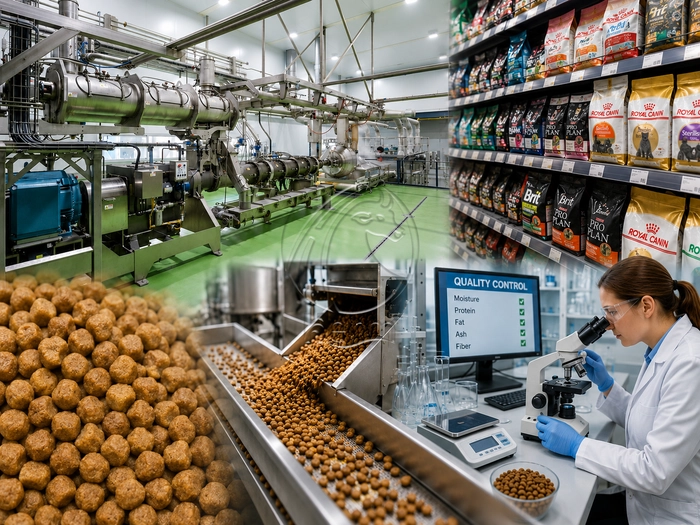
Q: How can feed quality and production safety be ensured? A: Feed should meet national or international quality standards. Production must include raw material inspection, intermediate product testing, and final product quality checks. Safety measures should include machine guards, fire prevention, dust control, and operational protocols to ensure staff safety and continuous production.
7️⃣ Personnel Management and Training
Q: What workforce is needed for a feed mill? A: A professional team includes machine operators, technicians, warehouse staff, and production management personnel. Implement training programs covering equipment operation, process control, and maintenance management. Standardize production planning, warehouse management, and maintenance procedures to ensure smooth and efficient operations.
8️⃣ After-Sales Support and Equipment Service
Q: What after-sales services should be considered when procuring equipment? A: Equipment providers should offer installation, commissioning, operator training, routine maintenance, and spare parts supply. Technical support and upgrade capabilities directly affect production reliability and equipment lifespan.
9️⃣ Long-Term Planning and Expansion
Q: How should long-term growth and future expansion be planned? A: Design plant layout and production processes with potential expansion in mind. Consider additional feed types such as functional feed, aqua feed, or pet feed. Establish long-term production planning and supply chain strategies to maintain operational stability and maximize long-term returns.
💡 Conclusion
Constructing a feed mill is a comprehensive engineering project, encompassing market analysis, plant layout, equipment selection, production process design, raw material management, cost control, quality and safety management, workforce training, after-sales service, and long-term operational planning. Understanding these critical questions ensures the feed mill operates efficiently, reliably, and sustainably.
Henan Herm Machinery Co., Ltd was established in 2010 and has been devoted to the research and development of Feed Mill Machinery ever since. With more than 10 years of experience, Herm® has become a leading manufacturer and supplier of animal feed machines and complete animal feed production lines, cattle feed plants, poultry feed plants, animal feed pellet production lines, etc. It always endeavored to improve the quality of products and aims to meet the new requirements of the international market.
If You Are Ready to Start a Feed Pellet Plant Business, please contact us for the feed mill machine. We Can Provide Professional Design and Comprehensive Guidance According to Your Needs. Get in touch with us now!